Learning has changed throughout the years; students have gone from paper and pencils to screens and keyboards. So as the world continues to evolve, the way we educate needs to does as well. In the article ” Universal Design for Learning,” by CAST, www.cast.org/what-we-do/universal-design-for-learning/. It says that the CAST education program has started to jump on the idea of catering to students’ someone’s interests. They focus on the Engagement, Representation, Action, and expressions of their students to figure out what they are interested in. Then they push their students to dive deeper into their interests to hopefully have them pursue a career based on what they like.
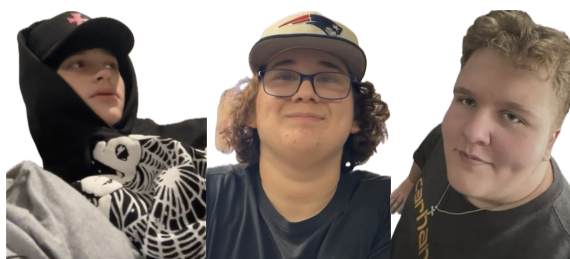
Junior Shane Olson says stated that he doesn’t do well with verbal instructions; he personally wants visuals shown to him so that he can get a better grasp on the subject.
“Personally, if I wanted to learn something, I would want visuals. If you give me instructions on paper, I’ll read them, but I won’t learn from them.”
Olson also explained that with each passing generation, the punishments get softer as well, and children nowadays don’t learn about what they did wrong as much as children from the past did. He believes that this is a key factor in why kids aren’t learning as much as they should be, not only at school but at home, too.
“This generation, you have more leeway; the punishments aren’tweren’t as extreme as they were back then. For example, my little brother would do something I got punished for years ago, but unlike me, he doesn’t get punished.”
Olson saysthen goes on to say that he thinks that learning is much easier than it was back then, when you sit down and actually try to learn the subject. However, children nowadays don’t use their materials asthat well because they have shorter attention spansdue to the short attention spans of younger generations.
“I think since everything is on social media, learning is easier, but since our attention spans are so small, we don’t stick to what we’re trying to learn,” said Olson.
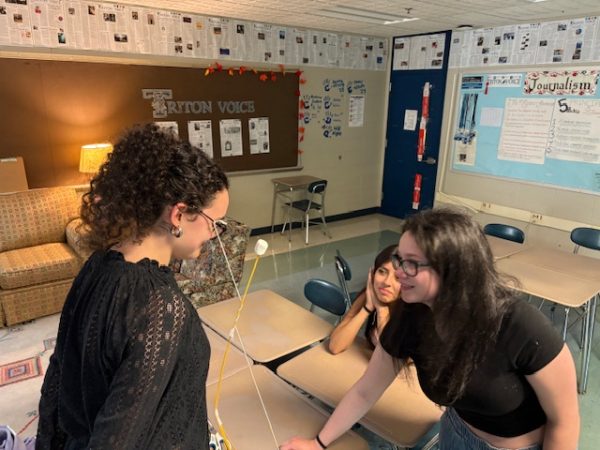
Junior, Richard Lynch says that for him personally, active learning is easier for him to remember and learn things. Using his sense of physical touch allows him to get a better grasp on what the subject really is.
”For me personally, it’s easier to learn that way,” said Lynch. “Doing physical things is easier for me to remember since I learn better with my hands, and that physical touch allows me to think better.”
Lynch states that writing with a paper and a pencil is not as easy to remember. For him, paying attention is hard when you’re sitting in uncomfortable school desks.
“I find it hard to sit there and write stuff down; it’s not as easy to remember.”
Education is starting to change drastically in a way that may help these students. Certain programs have shifted from just teaching their students from the front of the classroom; they’re beginning to dip into what students find entertaining and having them follow that path so they can grow up into a career that they’d enjoy. This is showing students that the education program that they signed up for cares about what they like and doesn’t see them as just another number.
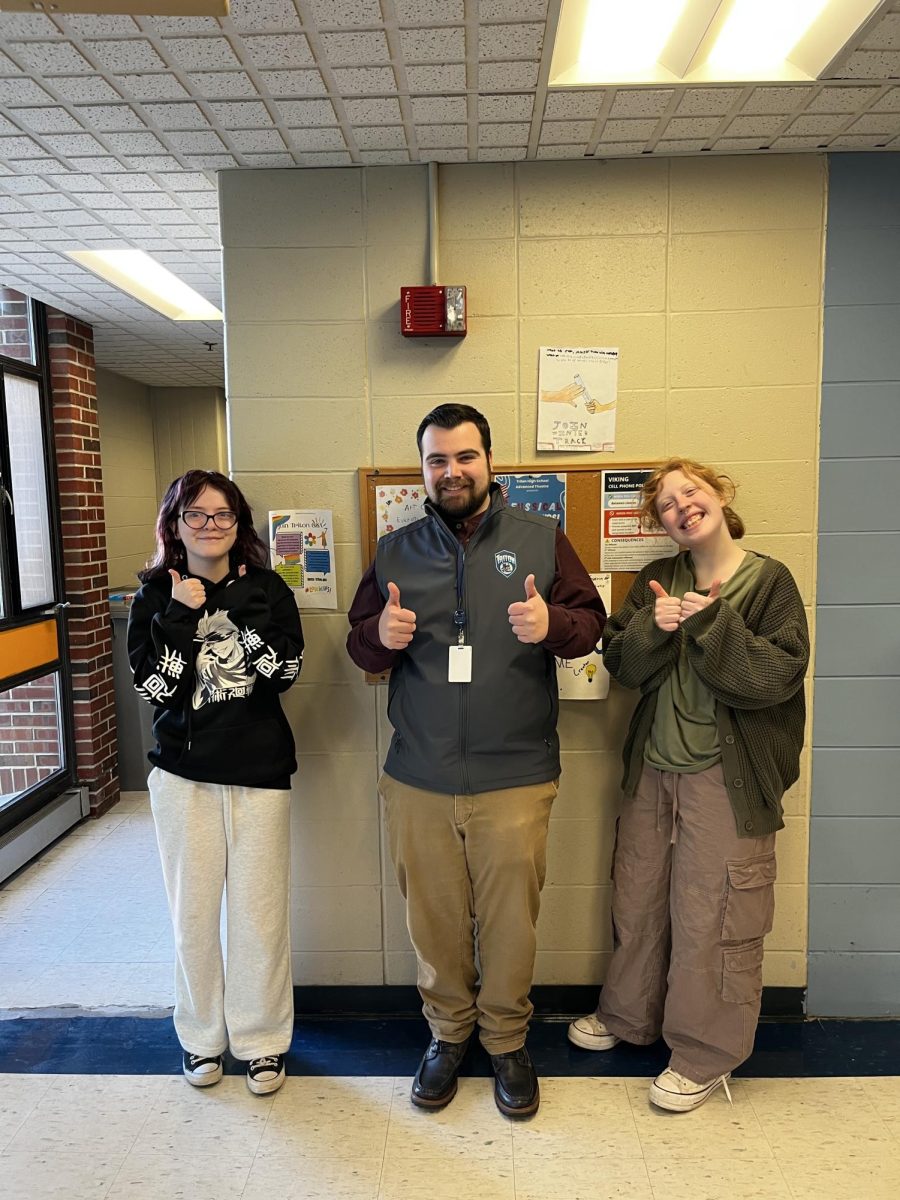
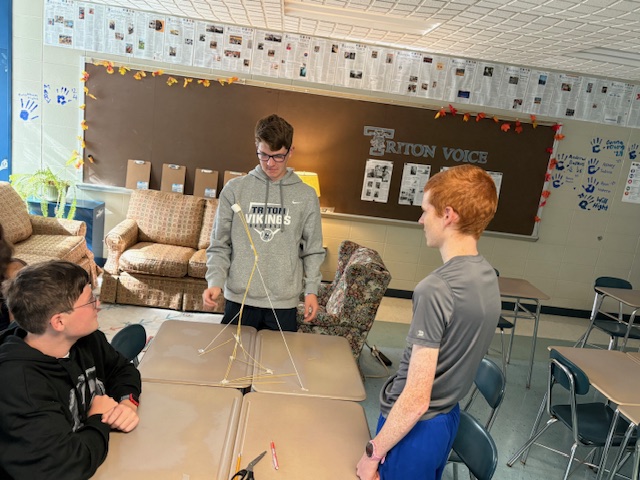
Engineering Technology Teacher Mr Guerin is known for his strategic way of teaching his students. He believes that project-based learning and giving students just the right amount of help to push them into finding the answer is the best way for a teacher like him to teach.
“I think it’s about giving students the right amount of support without giving them the answer,” said Guerin. “It’s about project-based learning and projecting.”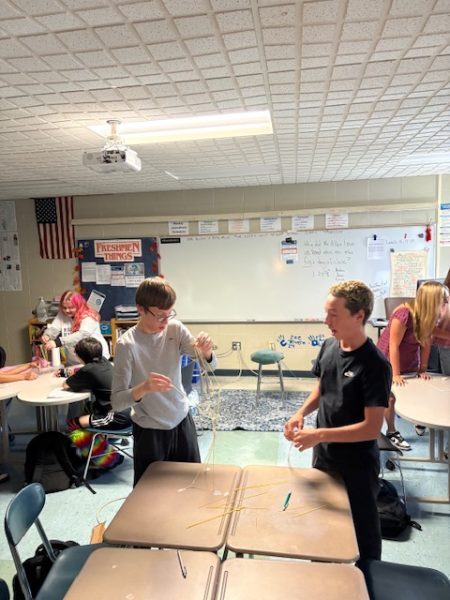
When asked about how much he believes learning has changed from when he was a student and now as a teacher, Guerin states that technology has advanced a lot since then. AI has become the new “cheat” rather than Wikipedia, and instead of books, it’s laptops that students are carrying.
“The enhancements of technology, AI, and everyone has a laptop, advanced software, you aren’t lugging textbooks. Wikipedia was seen as a cheat back then, and now AI is seen as a cheat.”
Guerin says that if he were advising a teacher on how to build relationships with students, he would suggest building connections with students and getting to know them.
“I would tell them the most important thing is to build connections with the students and make it easier.”