
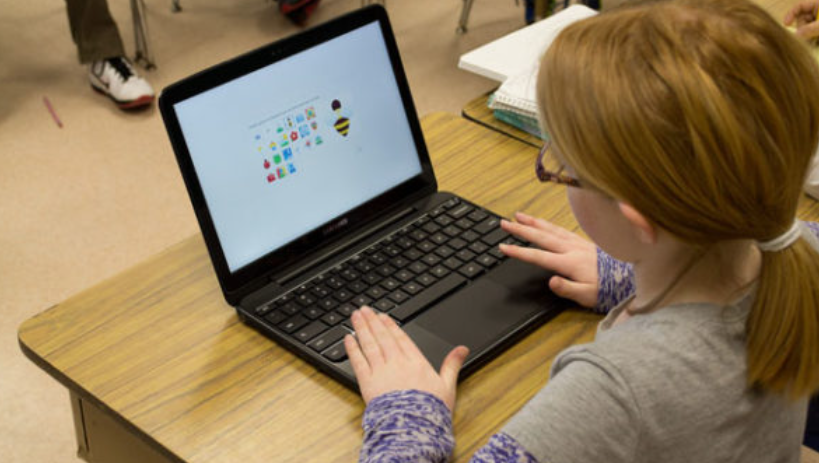
Screens can grab your attention for hours, which can cause lifelong defects in your life.
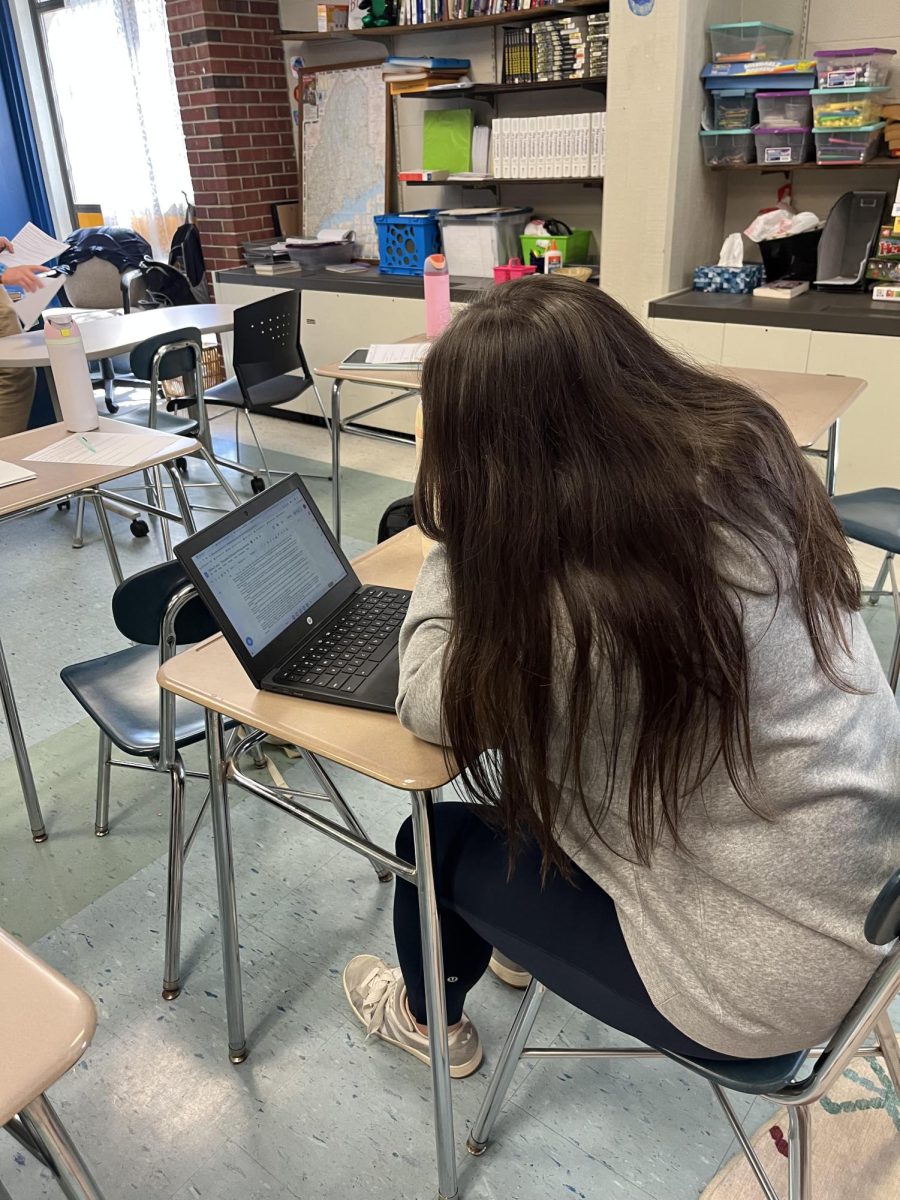
A lot of our days spent here at school are spent with our eyes glued to our Chromebooks.
“Ninety-nine percent of teachers said their school provided devices to students for use in class” in a New York Times article dissecting Chromebook time, titled What Students Are Saying About Screens in School by The Learning Network.
Why do most teachers feel the need to only use Chromebooks? In some classes, paper is barely ever even used.
Studies show that students use their devices for 4-6 hours a day. Even students struggle with damaging their eyes each day.
In a bold section of the New York Times titled, But many said they wish they were on screens less during the day students shared their thoughts. Including Lena from Philadelphia, PA, said “I hate using school-issued Chromebooks for assignments and homework. Some days, when I get home, my eyes hurt from staring at my laptop or the Smartboard all day.
On the other hand, Enzo from Bville, NY shares, “The use of Chromebooks wasn’t exactly a TERRIBLE idea. I mean, it’s pretty convenient to be able to have something to help you with playing “catch up” in your classes, but having to stare at screens for around 7 hours alone could already be straining to the eyes and possibly cause a lack of attention span.” Enzo continues, “Actually, because of the technological change in education, I myself have trouble properly focusing on class or even seeing properly.
The screen usage doesn’t stop with just Chromebooks; smart boards are in full use in schools. When students’ eyes should be glued to the teacher up front, it’s yet another screen to stare at.
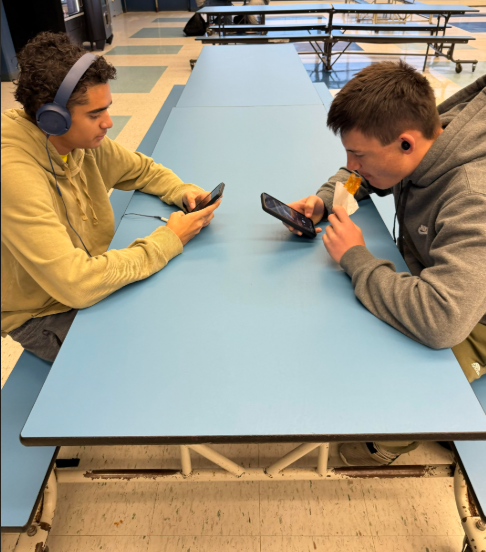
Being on a screen in school causes bad habits like being able to look up anything at any time and spending too much time on screens outside of school as well.
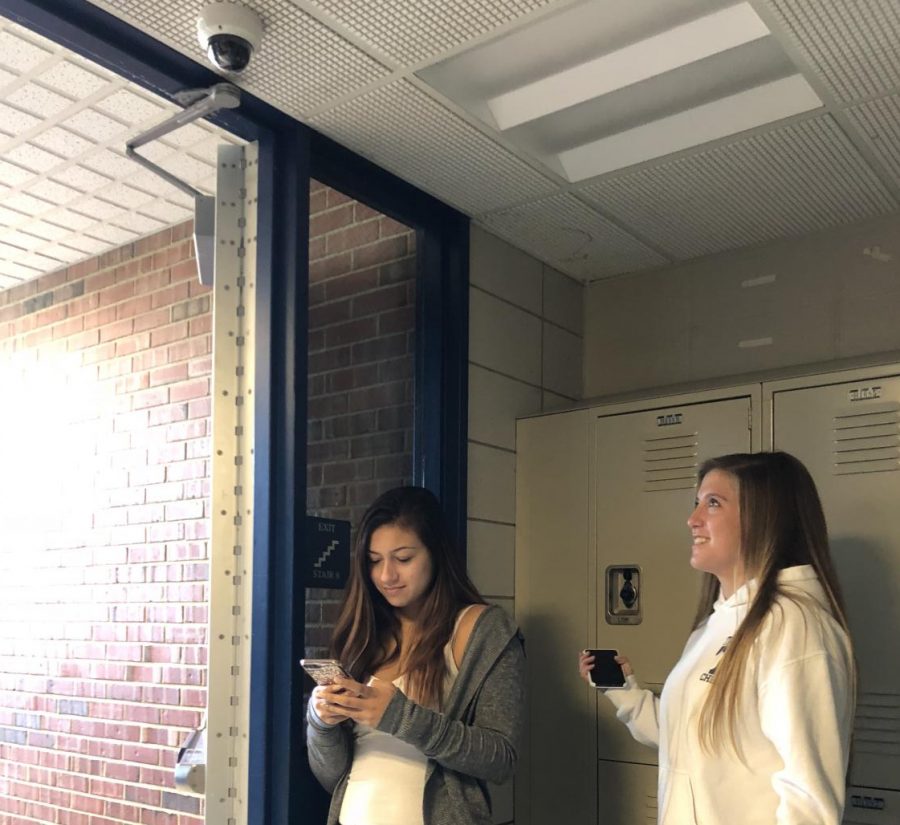
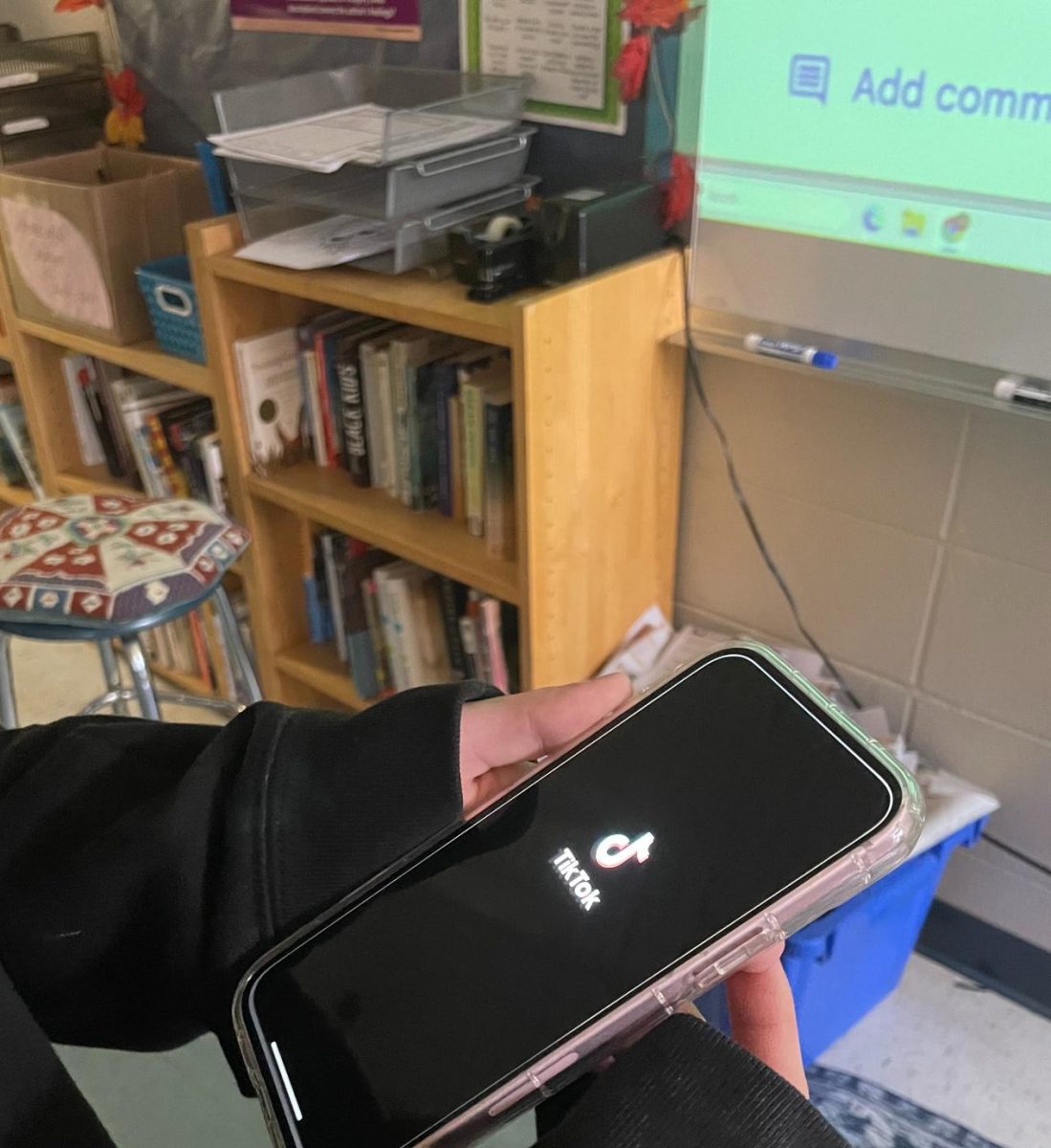
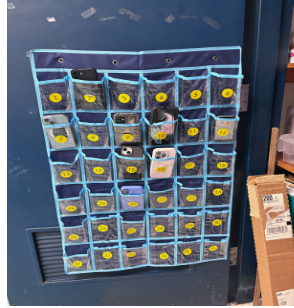
The phone epidemic is bleeding into our lives, with students not wanting to be apart from their phones during instruction, keeping them away, and keeping distractions to a minimum.
In the New York Times Article, the author finds sources to move around the issue at hand and pushes teachers to be more selective when deciding if screens are truly necessary.
Last year, around this time, we also came into the issue of running out of paper to use. Struggles like keeping paper in stock at schools are a whole other issue, especially here at Triton and with our new budget cuts.